

About Restworks
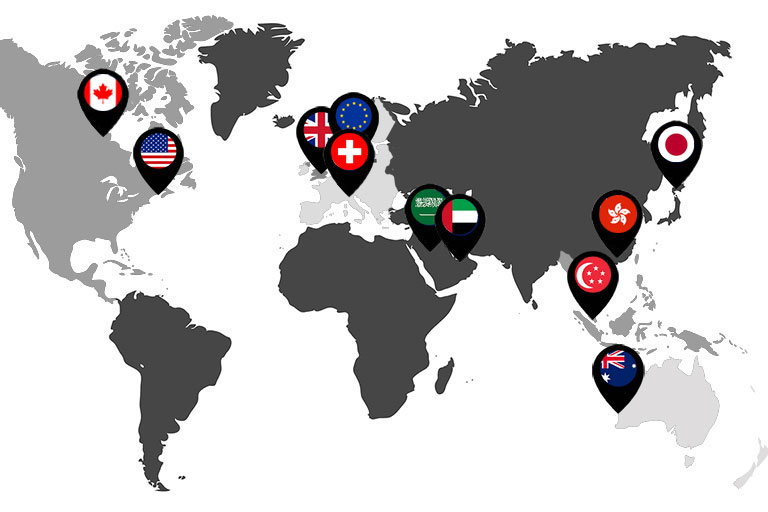
Restworks provides workplace sleep technology and rest facilities such as massage chairs and nap pods. We do this for various industries, including corporations, hospitals and universities. We are active across the globe and serve organizations of all shapes and sizes.
Napping at work
Employers embrace the idea of napping at work because napping provides benefits that lead to happier, healthier employees. Studies show that there are many benefits associated with regular napping, including increased creativity, higher productivity, and lower risk of stress-related diseases.
In other words: napping at work helps employees get the most out of their day, both personally and professionally.
Take back the power of rest
In today’s fast paced world, rest does not come easy. Meetings, e-mails, and an endless array of chat messages are taking up our time at work. If we want rest, we have to take it for ourselves. Sleep technology helps us do that.
Installing gosleep pods or a zero gravity recliner chair at your workplace sends a powerful signal to employees that rest is important. It also provides the necessary physical framework for taking that rest.
At Restworks, we provide a range of commercial warranty approved sleep technology products that can be a part of improving health and wellbeing at your workplace. Time to take back the power of rest.
Tailored to your organization
Workplace napping is not one size fits all. We will partner with you to create the ideal workplace solution for your organization, putting to work our years of experience with sleep technology and our wide selection of equipment for rest at the workplace.
Contact us today to learn more about our services, or have a look at our workplace sleep tech solutions first. You are on your way to creating a better work environment.
Our Solutions
Availability & Pricing
Services availability and pricing varies by region. For product details, please visit our Solutions page. For all other inquiries, please contact us.
Our Industries

Athletic Teams
Brief rest supports training efficiency and game performance.
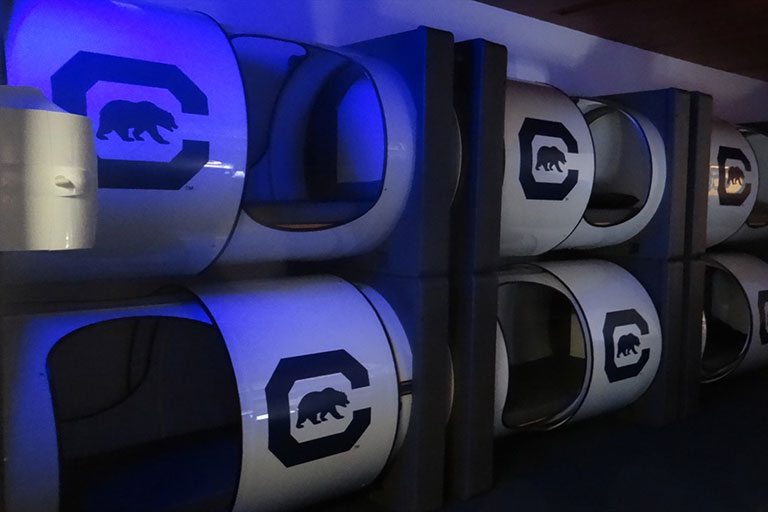
The University of California at Berkley football team incorporates naps into their training schedules.

Aviation & Air Traffic Control
Improve vigilance and alertness. Reduce fatigue for flight crew and cabin crew.

Jewel Changi Airport in Singapore has 4 EnergyPods in their newest lounge, The Changi Lounge.

Education
Naps boost learning and memory consolidation. Most students could also use the additional sleep.

Western Sydney University provides EnergyPods at each of their seven libraries in Sydney, Australia.
Fitness & Spa
Expand your offering to increase your client base and generate incremental revenue.
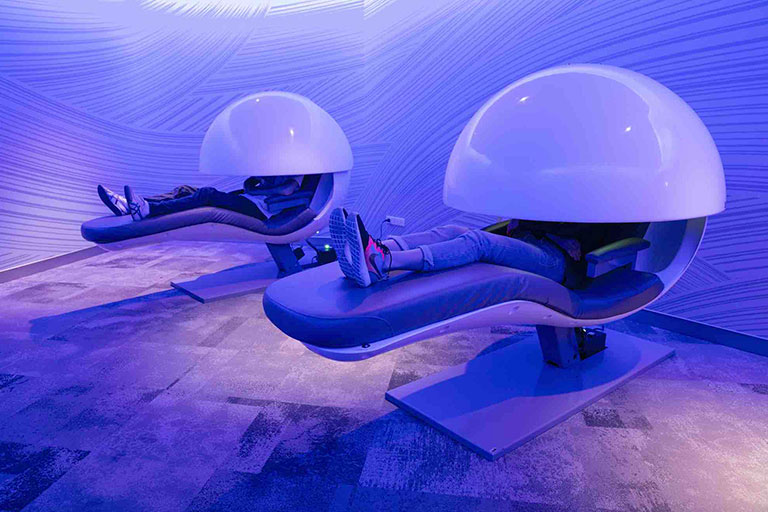
Virgin Active features EnergyPods at sites across Australia, Southeast Asia and the United Kingdom

Health Care
Improve staff mood and resilience. Reduce fatigue for the commute home after a long (night) shift.
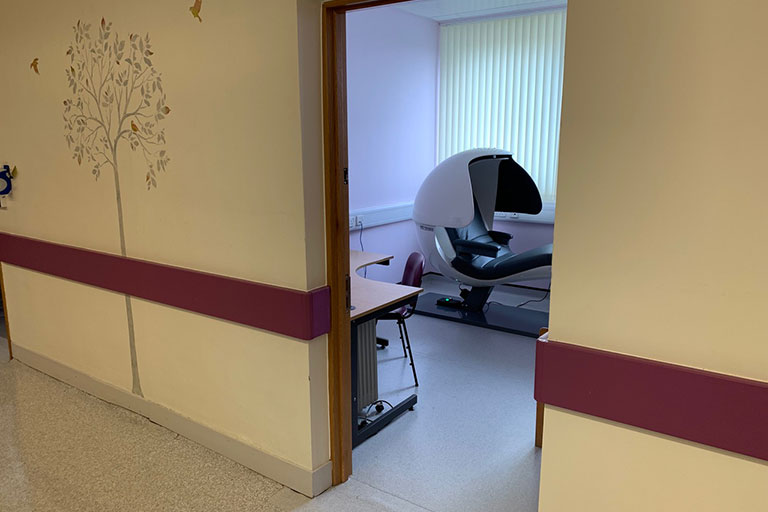
The National Health Service (NHS) has installed rest equipment in Trusts across the United Kingdom.

Manufacturing
Reduce errors and accidents caused by fatigue. Support workers by day and on the night shift.

Intel Corp provides EnergyPods for their engineers coming off the night shift at their fab in Ireland.

Mining / Oil & Gas
Fatigue risk management. Support long term health and well-being.
Fortescue Metals Group (FMG) in Australia utilizes EnergyPods at mining sites and in operator control rooms in Perth and Port Hedland.

Mission Critical
Mission critical operations such as Utilities, Transport Infrastructure, and Emergency Response teams run 24/7.

NASA supports its researchers and flight crews with EnergyPods at the Neil Armstrong Building in Palmdale, CA.

Office
Reduce stress, support mindfulness, impact creativity and productivity.
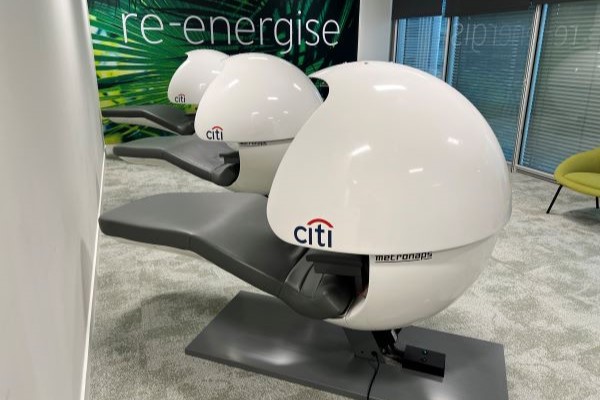
Citibank Live Well rooms, which may include nap pods, offer employees a space to refresh, recharge and re-energize during their day.
Our Solutions
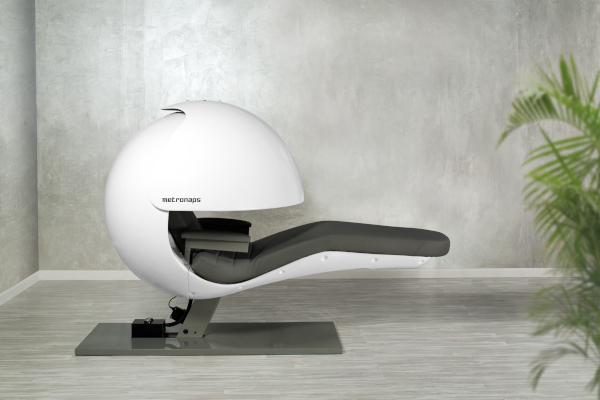
MetroNaps EnergyPod
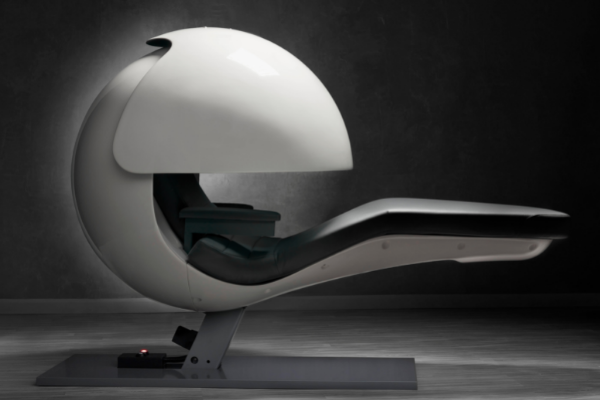
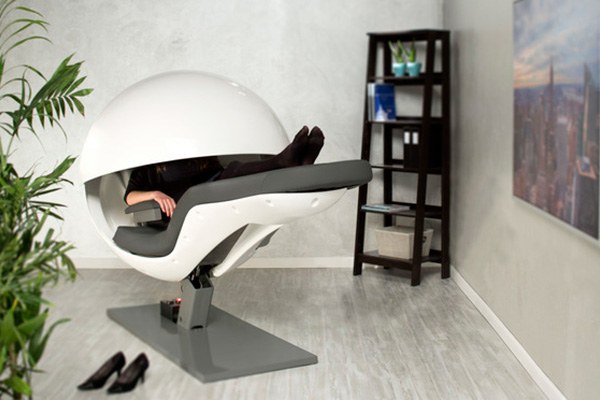
The EnergyPod is the world’s first chair designed for napping at work. All features of this pod are designed to help users relax.
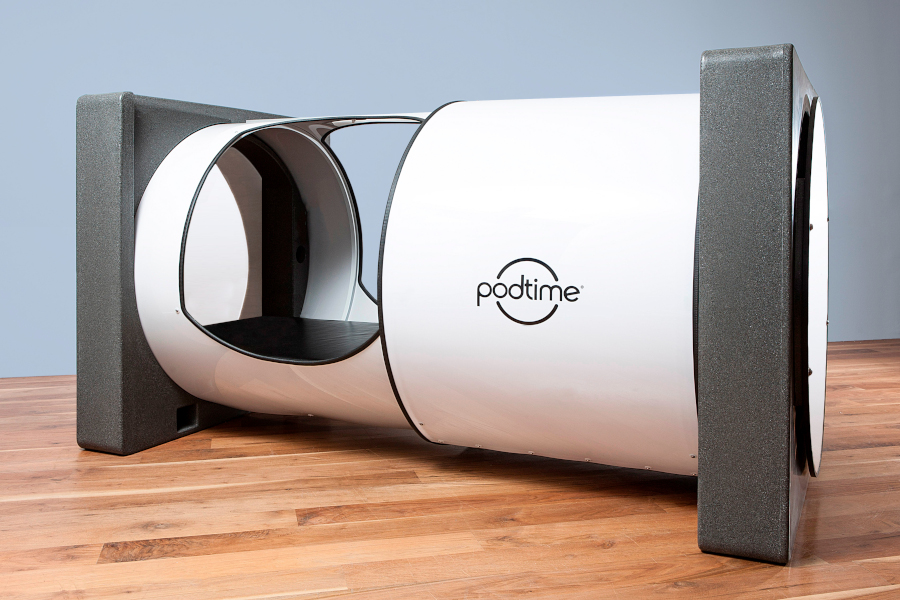
Podtime Original
The Podtime Original allows users to relax or sleep undisturbed in the workplace. This sleeping pod offers privacy, security and comfort, and reduces ambient noise.
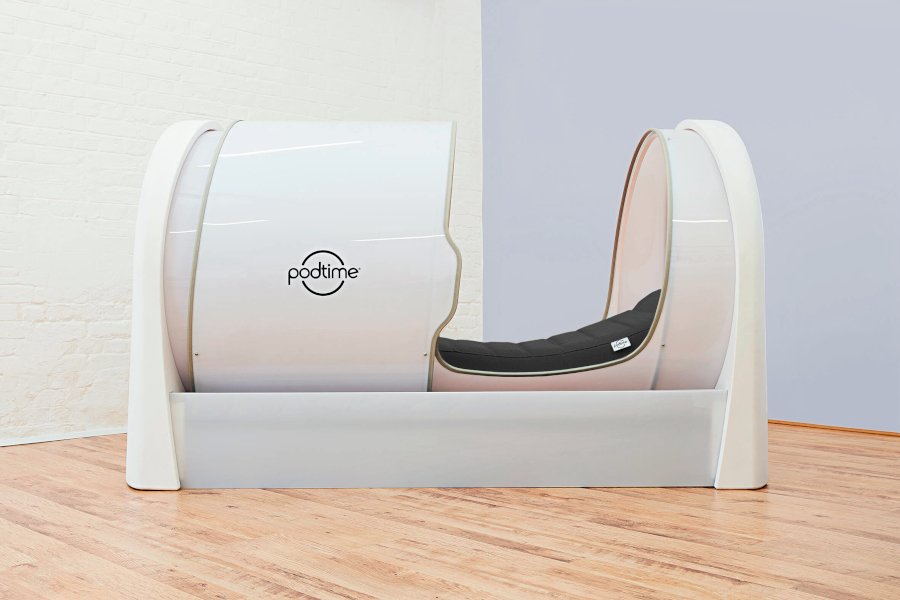
Podtime Ultra
The Podtime Ultra is a spacious sleeping pod, ideal for the workplace, to relax or sleep undisturbed.
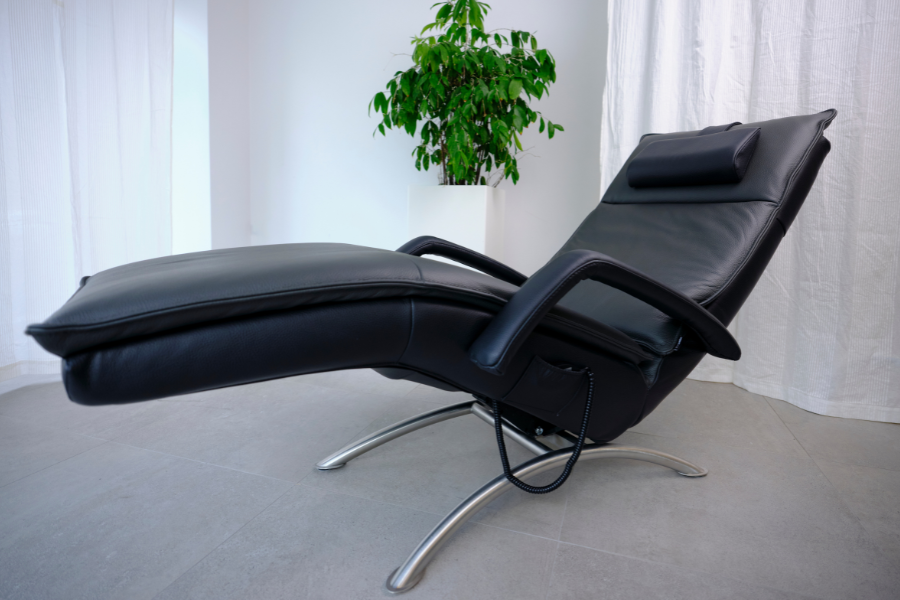
Vita Recovery Recliner
The Vita Recovery Recliner is a luxurious power nap chair supplied with a special sound recovery system. The positive effects of the soft sound waves are very effective and offers extra deep relaxation.
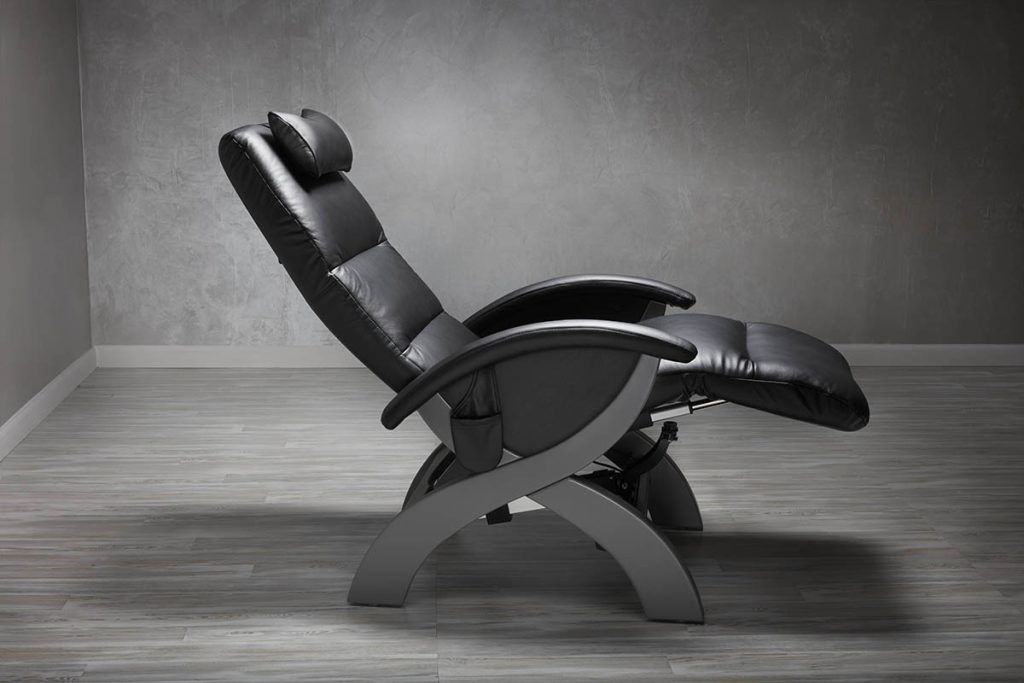
ZeroChair Recliner
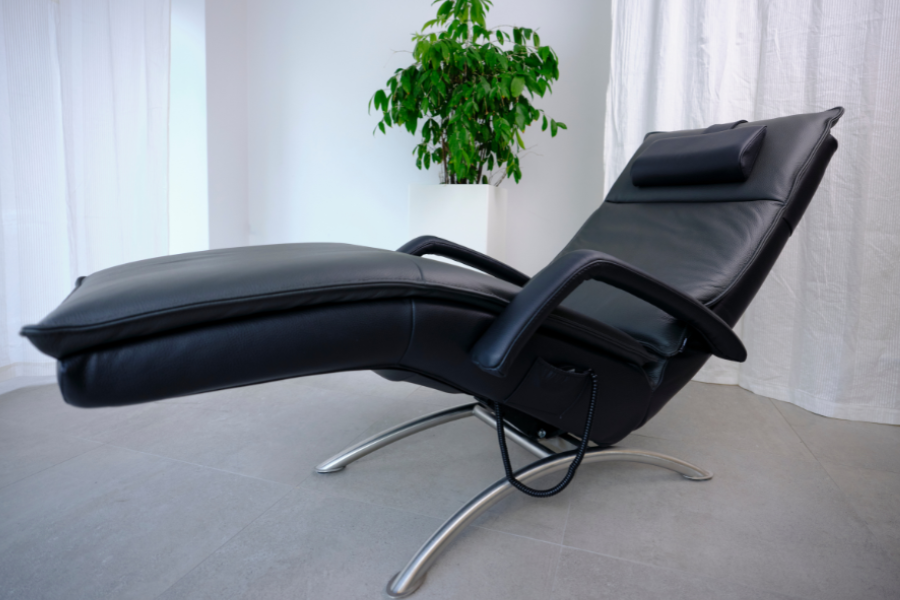
Our ZeroChair Recliner is elegant and comfortable. A zero gravity indoor recliner designed to optimally mitigate fatigue in the workplace.

Infinity SmartChair
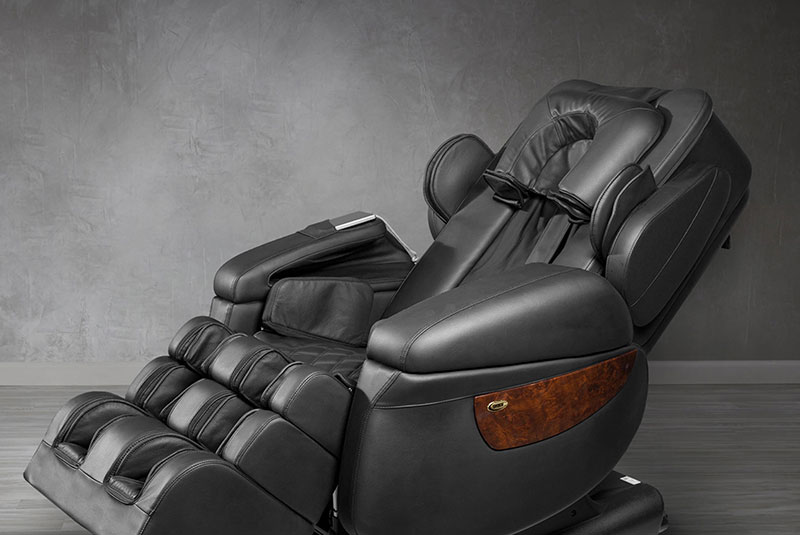
The Infinity SmartChair X3 is a sleek and sophisticated massage chair featuring the most advanced 3D/4D technology in the industry
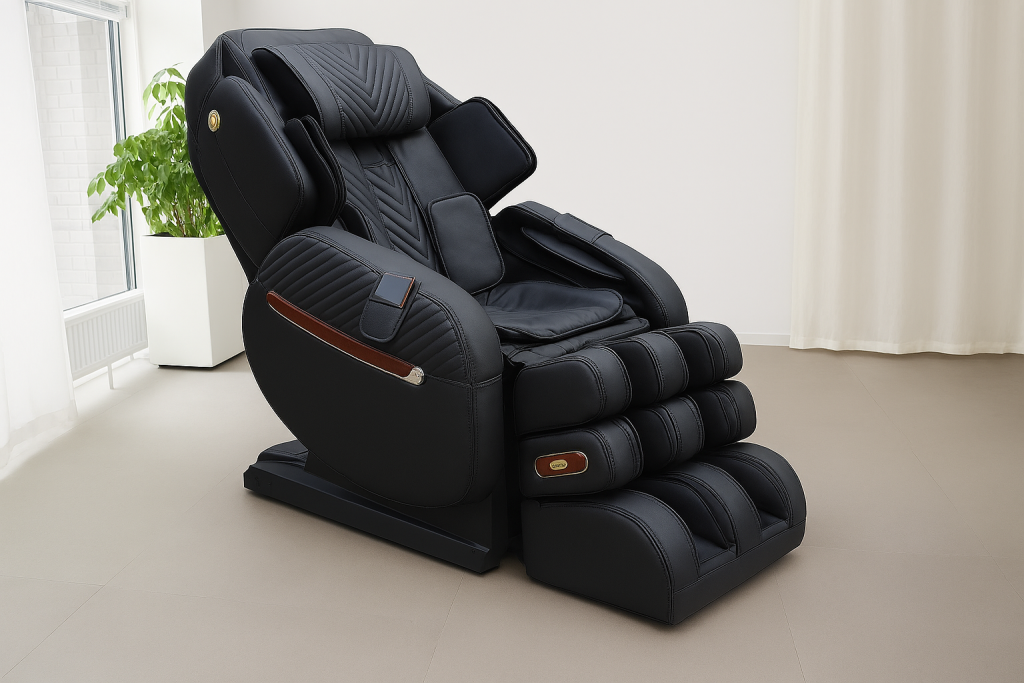
Luraco i9 Max Massage Chair
The latest in a line of superior massage chairs, the Luraco i9 Max massage chair delivers the ultimate experience in a medical massage chair.
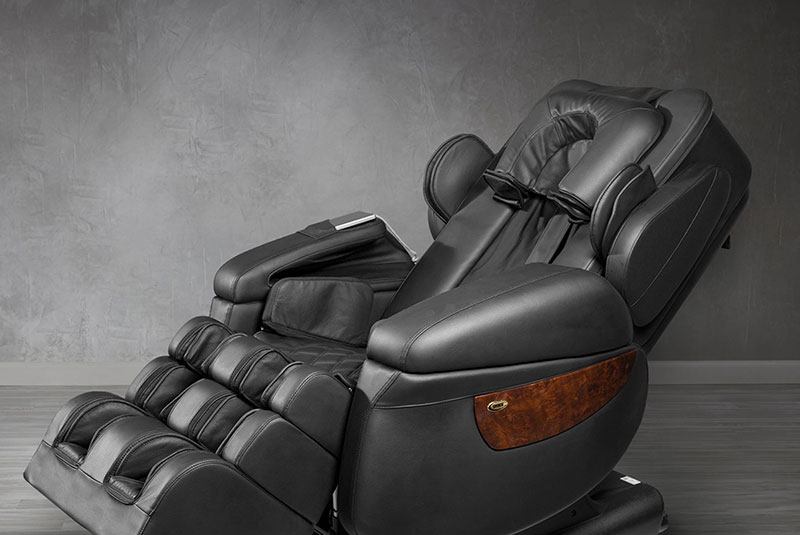
Luraco Plus Massage Chair
The Luraco Plus is an effective and durable solution for rest and rejuvenation in the workplace.
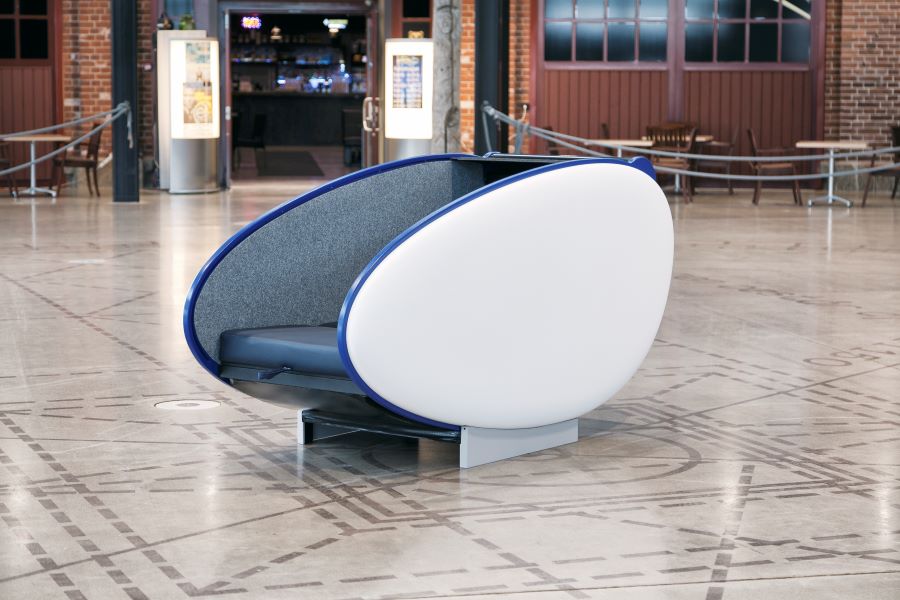
GoSleep Pod
GoSleep Sleeping Pods were designed to optimize the well-being of travelers, by allowing them to rest or take a nap, even in busy environments. The GoSleep pod provides complete privacy with a sliding shade.
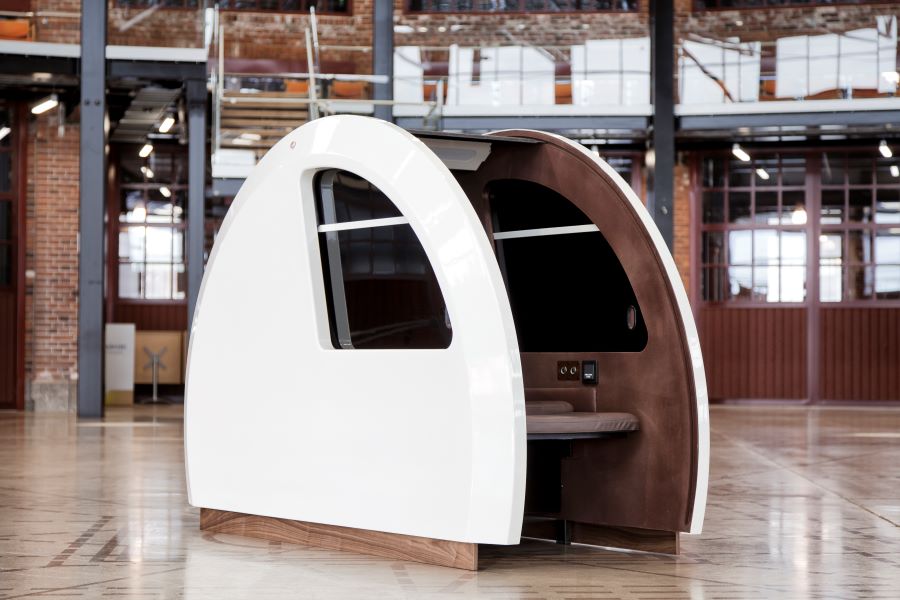
GoSleep Iglooo
The GoSleep Iglooo can be used for both work and rest. A comfortable and versatile sleep pod.
PowerNap App
The Sleep Cognition App from Restworks helps you nap and sleep effectively. It combines audio sessions from the world’s leading providers, as well as tips and tools to support good habits for rejuvenating rest.
Articles
- Sleep Supplements: What Works, What Doesn’t, and What You Should Know
 When sleep is elusive, it is tempting to look for a simple solution. Shelves and online stores are filled with… Read more: Sleep Supplements: What Works, What Doesn’t, and What You Should Know
 - How to Change Your Sleep Chronotype
 Your sleep chronotype refers to the time of day that you go to bed and wake up. Everyone has a… Read more: How to Change Your Sleep Chronotype
 - How to Sleep Better After 40: Science‑Backed Strategies to Improve Sleep Quality
 For adults between the ages of 40 and 55, sleep often becomes more fragmented, lighter, and harder to maintain. Hormonal… Read more: How to Sleep Better After 40: Science‑Backed Strategies to Improve Sleep Quality