
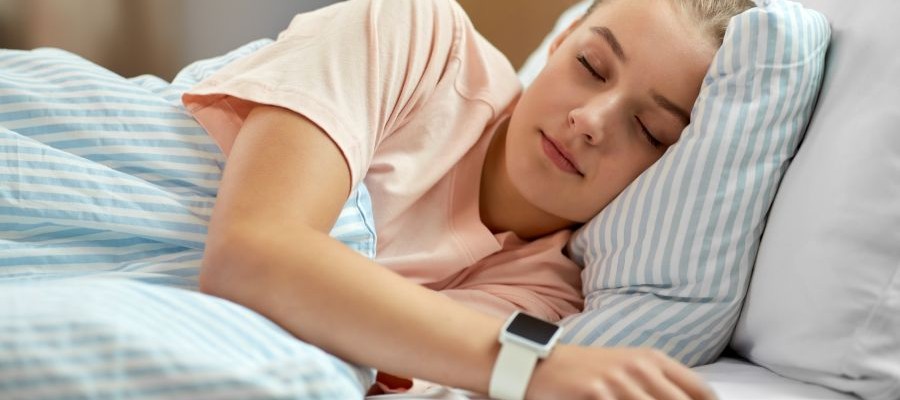
Wearable Sleep Tech Is Reshaping How We Rest— Why It Matters
In an era where productivity often overshadows rest, wearable sleep technology is quietly revolutionizing how we understand, monitor, and improve our sleep. From smart rings to AI-powered headbands, these devices are no longer niche gadgets—they’re becoming essential tools for wellness, performance, and even clinical care. As sleep disorders rise and burnout becomes a workplace epidemic, wearable sleep tech offers a personalized, data-driven path to better rest.
Why Sleep Tech Is Booming
Sleep is foundational to physical health, mental clarity, and emotional resilience. Yet millions struggle with insomnia, sleep apnea, and poor sleep hygiene. The surge in wearable sleep tech is driven by:
- Growing awareness of sleep’s impact on health
- Advances in biometric sensors and AI
- Demand for personalized health insights
- Integration with fitness, productivity, and mental health platforms
According to the 2025 Wearable Technology Industry Report, the sleep tech sector is one of the fastest-growing segments in wearables, with applications spanning consumer wellness, clinical research, and workplace optimization.
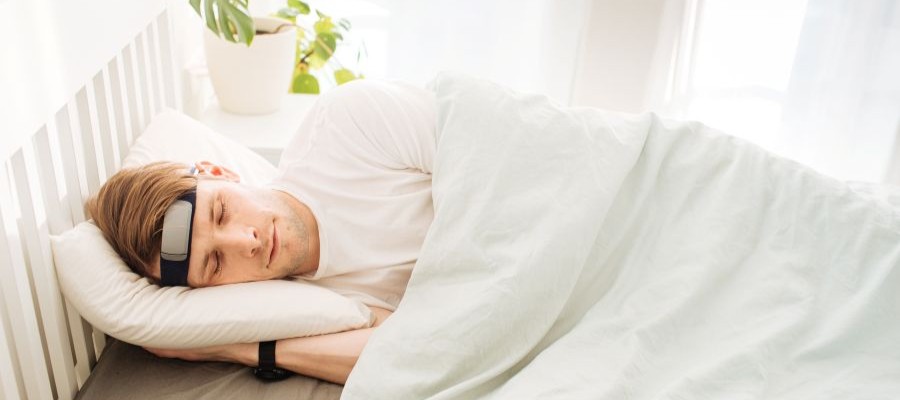
What These Devices Actually Do
Modern sleep wearables go far beyond tracking bedtime. They monitor:
- Sleep stages (light, deep, REM)
- Heart rate variability
- Blood oxygen levels
- Movement and restlessness
- Skin temperature and circadian rhythm alignment
Devices like the Oura Ring, WHOOP Strap, Fitbit Sense, and Apple Watch use these metrics to generate sleep scores, recovery insights, and even bedtime recommendations.
From Consumer Gadget to Clinical Tool
Wearable sleep tech is increasingly used in clinical settings. A 2024 study published in Sleep journal outlines how patients now bring sleep data from their devices to medical appointments, prompting providers to incorporate wearables into diagnostics and treatment plans. The study, titled “State of the Science and Recommendations for Using Wearable Technology in Sleep and Circadian Research”, emphasizes the value of these tools in tracking sleep patterns over time, especially for conditions like insomnia, sleep apnea, and circadian rhythm disorders.
Trends to Watch in 2025 and Beyond
The future of sleep tech is not just about tracking—it’s about predicting and personalizing. According to HouseTra’s 2025 forecast, emerging trends include:
- AI-driven sleep coaching: Devices that offer real-time suggestions based on your sleep data
- Predictive analytics: Anticipating sleep disruptions before they happen
- Sensor miniaturization: Making wearables more comfortable and discreet
- Integration with mental health platforms: Linking sleep data to mood, stress, and cognitive performance
These innovations are especially relevant for shift workers, athletes, and individuals managing chronic conditions.
Read also: The Best Mattresses for Different Sleep Types
Real-World Applications
Wearable sleep tech isn’t just for biohackers—it’s transforming everyday life:
- Healthcare: Sleep data is used to monitor recovery, manage chronic illness, and reduce hospital re-admissions
- Workplace wellness: Employers are integrating sleep tracking into wellness programs to reduce burnout and improve productivity
- Education: Students use wearables to optimize study-rest cycles and manage stress
- Travel and jet lag: Devices help frequent travelers adjust to new time zones using light therapy and circadian syncing
A recent LinkedIn article highlights five practical uses of sleep tech in 2025, from improving shift work performance to enhancing post-surgery recovery.
Read also: How Much Sleep Do I Need
Challenges and Considerations
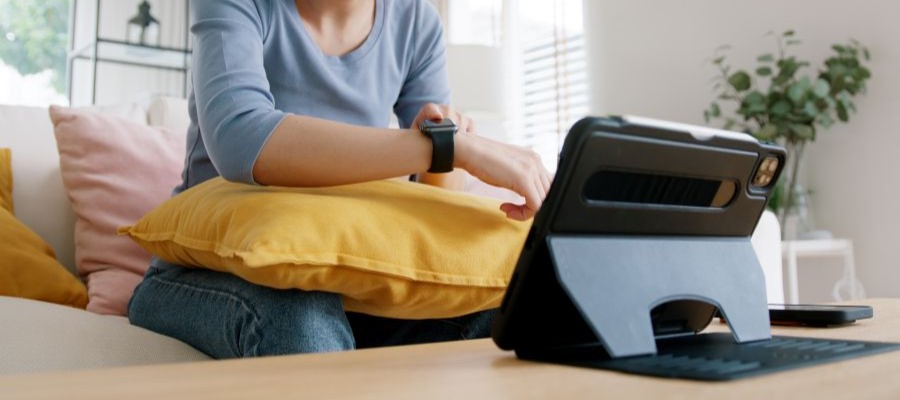
Despite its promise, wearable sleep tech faces hurdles:
- Accuracy: Consumer-grade devices may not match clinical-grade precision
- Privacy: Sleep data is sensitive—users must understand how it is stored and shared
- Over-reliance: Some users may become anxious or obsessive about sleep scores
- Accessibility: High-end devices can be expensive, limiting access for underserved populations
Experts recommend using sleep tech as a guide, not a diagnosis. It’s most effective when paired with good sleep hygiene, professional advice, and lifestyle adjustments.
Why It Matters
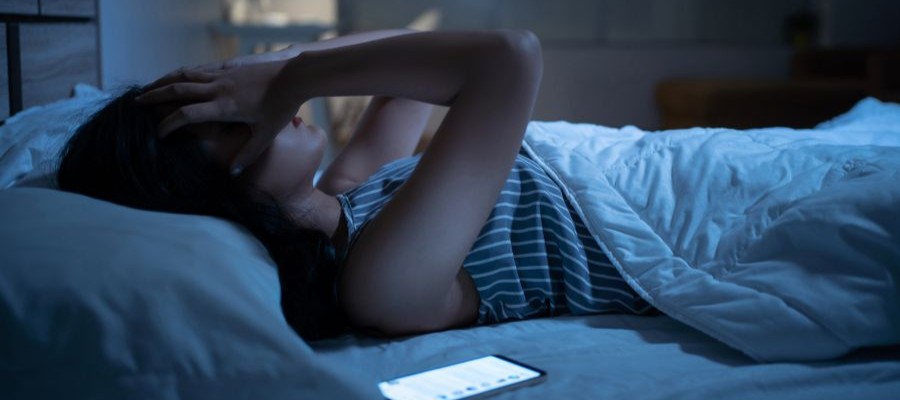
Sleep tech is more than a trend—it’s a cultural shift. It reflects a growing recognition that rest is not a luxury, but a necessity. By turning sleep into something measurable, wearable tech empowers people to take control of their health in a deeply personal way.
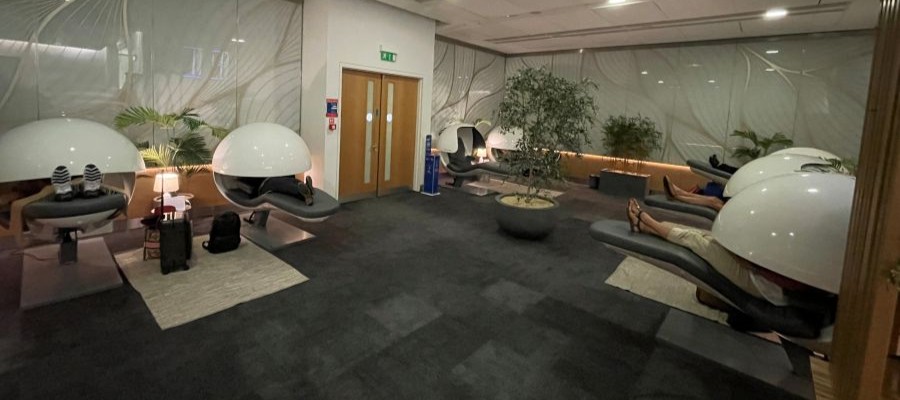
For entrepreneurs, educators, and wellness advocates, this opens doors to new programs, partnerships, and community initiatives. Whether it’s integrating sleep pods into event spaces or launching a sleep wellness campaign, wearable tech offers a compelling foundation.