
Light Box Therapy for Seasonal Affective Disorder (SAD)
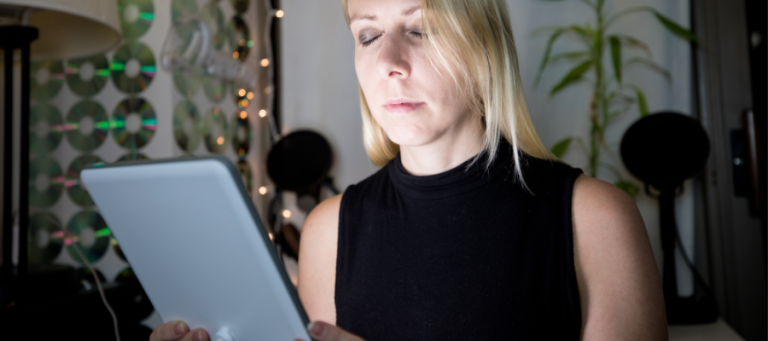
A light therapy box is a device that mimics outdoor light, minus the UV exposure. Researchers believe systematic exposure to artificial daylight can cause chemical changes in your brain that lifts your mood and eases symptoms of SAD (winter depression).
How light therapy helps against depression
Light therapy is also called heliotherapy and phototherapy. When the body is exposed to blue light of specific wavelengths similar to the sun, it begins to produce cortisol. Cortisol is a hormone that is connected to wakefulness and action. When one stimulates the production of cortisol, one is able to counteract the excessive sleepiness and disrupted sleep patterns which are symptoms of SAD. Exposure to light can also support the hypothalamus maintain production of melatonin and serotonin, two hormones that are critical for regulating sleep and mood.
Aside from the more commonly used lightboxes that employ continuous light, recent research also suggests that short, high-intensity light flashes during the night may be effective for regulating the circadian rhythm. This kind of therapy can be particularly helpful for treating jetlag.
How to use a light therapy box
While light therapy lamps are readily available from a variety of stores, if you intend to use them for depression or SAD, things to look out for include:
- A lightbox should provide exposure to 10,000 lux of light. This is about 100x brighter than usual indoor lighting. For context, a bright sunny day can be 50,000 lux or more.
- A light box should emit as little UV light as possible.
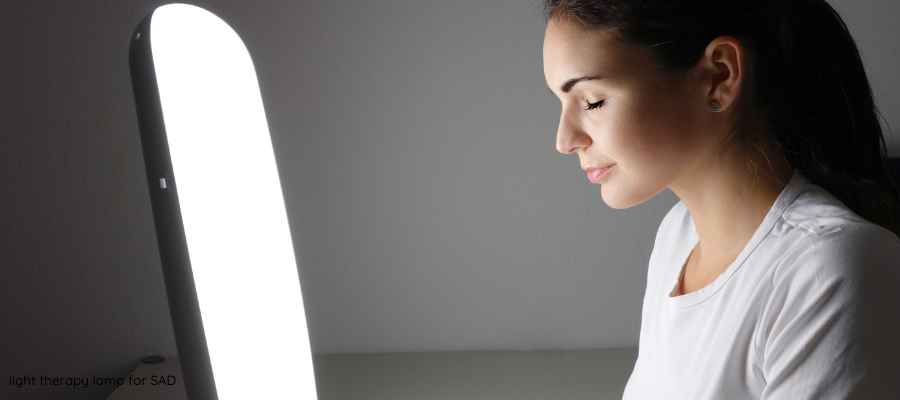
- It is recommended that you use a light box when you wake up in the morning for 20-30 minutes. It should be about 16-24 inches (41-61 cm) from your face and you should have your eyes open but not look directly at the light.
Light boxes are designed to be safe and effective. However, they are not approved or regulated by the FDA for SAD treatment. You can purchase a lamp without a prescription, but your doctor may have a recommendation for one. Most insurance plans do not cover the cost of a light box.
Things to consider when using light therapy for winter depression:
- Verify that the lamp is specifically designed to treat SAD. These will filter out most or all UV light. Other lamps made to treat skin disorders primarily emit UV light that could damage your skin and eyes if used incorrectly.
- The brightness of the box will determine how long you need to use it each day. Typically, 10,000 lux is the recommended intensity.
- Some lamp boxes will include features to protect your eyes. If you have eye problems such as glaucoma, cataracts or eye damage from diabetes, check with your eye doctor for advice on choosing the right light box.
- Light boxes come in different shapes and sizes. Some look like upright lamps while others are smaller and boxlike. Light boxes are effective when used daily, so choose one that is convenient for you.
- Consider where you will place the light box. Manufacturer directions will instruct you on the proper distance to receive the right amount of light. For example, if you are going to be reading while using the lamp, make sure it can sit on a table at the right distance from your face.
VIEW ALSO: Propeaq light therapy glasses
Light therapy for other conditions than SAD
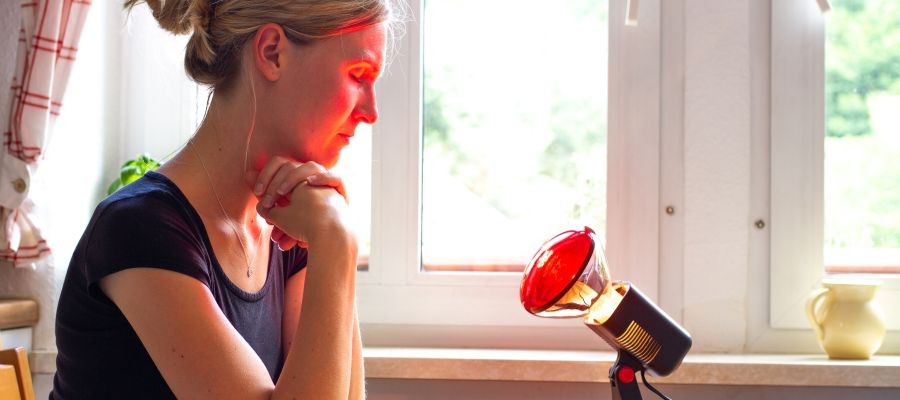
While light or heliotherapy is most commonly used to treat SAD and depression, there is also evidence that it is effective for treating several other conditions. These include:
Jetlag: If you are a frequent traveler, you might consider investing in a light box to help mitigate jetlag. Our circadian rhythm is affected by light, so by using a light box at the time you are meant to be awake, you can attune your system to a different time zone. You might also consider other mild jet lag remedies such as melatonin.
Sleep disorders: In the same way that light therapy can mitigate jetlag, so can it help against mild sleep disorders. In general, it is advisable to expose yourself to bright light during the day. Avoid electronics and other bright lights before bedtime in order to improve sleep quality.
Dementia: Dementia is frequently associated with disrupted sleep and restlessness during the night. Initial research suggests that these symptoms can be treated with light therapy. However, no conclusive research has been conducted as of yet.

Contraindications
Heliotherapy is safe for a majority of people, but can have negative effects if you are affected by any of the following conditions:
- Bipolar disorder
- Hepatitis infection
- Eye conditions
- Medications that increase sensitivity to light
- Skin conditions
It’s all about healthy sleep
Devices like light therapy boxes can be useful in the treatment of SAD and depression. However, it should be kept in mind that their main mechanism of action is to regulate healthy sleep. Before you invest in a light therapy box, you can make a big difference for your health if you practice a regular sleep schedule and implementing short power naps during the day. Read more about the benefits of regular napping here.
Note: If you are diagnosed with any of these conditions or suspect that you might be suffering from any of these, please consult your physician before beginning a new therapy.