

The Intersection Between Exercise and Sleep
The relationship between exercise and sleep is a vital component of overall health. Both physical activity and sleep play significant roles in improving mental and physical well-being.
While exercise has long been associated with numerous benefits such as increased strength, improved cardiovascular health, and weight management, it also plays a crucial role in promoting better sleep. Sleep, in turn, supports recovery and performance, creating a mutually beneficial cycle between the two. Understanding the reciprocal benefits of sleep and exercise can help you make informed decisions about your health routines.
How Exercise Affects Sleep
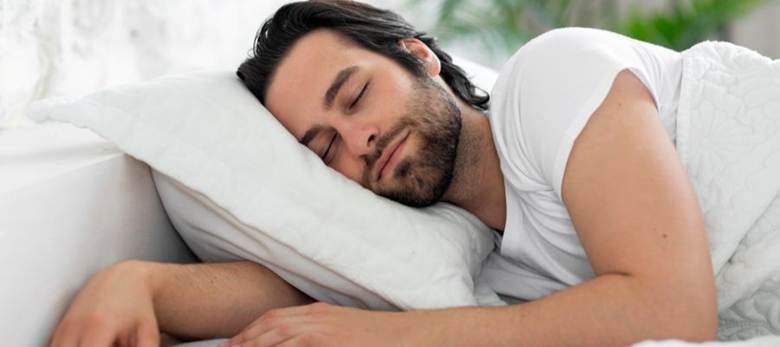
Research has shown that regular physical activity can significantly improve sleep quality. Exercise helps regulate the body’s circadian rhythm, which is the internal clock that controls the sleep-wake cycle. By promoting a consistent routine of physical activity, individuals can better align their sleep patterns, falling asleep faster and experiencing deeper, more restorative sleep. Exercise has also been shown to reduce the symptoms of insomnia, particularly in individuals who experience stress or anxiety, which are common disruptors of sleep.
Read also: Nap Before or After Workout?
According to recent research, moderate aerobic exercise was associated with improved sleep quality, including reduced sleep latency (the time it takes to fall asleep) and longer periods of deep sleep. Exercise also increases the production of endorphins, which are chemicals in the brain that promote relaxation and reduce feelings of anxiety or depression, two factors that can otherwise interfere with a good night’s rest.
Additionally, exercise can help balance the body’s natural levels of melatonin, a hormone responsible for regulating sleep. The increased body temperature resulting from physical activity also promotes sleep onset by encouraging the body to cool down afterward, signaling to the brain that it is time for rest.
Five Exercises that Support Good Sleep

- Aerobic Exercise (e.g., Walking, Jogging, Cycling) Aerobic exercises, such as walking, jogging, or cycling, are some of the most effective ways to improve sleep. They help to increase heart rate and improve cardiovascular health while reducing stress levels. Studies have shown that consistent aerobic exercise can lead to better sleep quality by helping individuals fall asleep more quickly and experience more restful sleep.

- Yoga Yoga, particularly restorative and gentle styles such as Hatha and Yin yoga, can be incredibly beneficial for improving sleep. The deep breathing and mindful movements practiced during yoga help activate the parasympathetic nervous system, promoting relaxation and reducing tension in the body. Research indicates that practicing yoga regularly can improve sleep quality and reduce insomnia symptoms, particularly by alleviating stress and anxiety.

- Strength Training Engaging in moderate strength training exercises, such as weightlifting or resistance band exercises, can also promote better sleep. Strength training increases the production of growth hormone, which aids in tissue repair and recovery during sleep. Additionally, these exercises promote a sense of physical fatigue, making it easier to fall asleep and stay asleep through the night. However, strength training should ideally be completed earlier in the day to avoid stimulating the nervous system too close to bedtime.
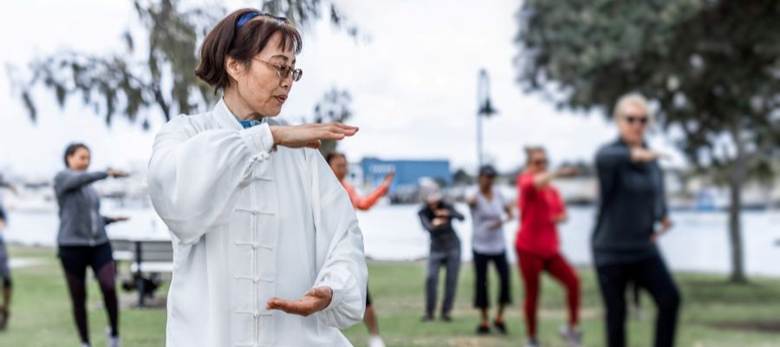
- Chi Tai Chi is a low-impact, mind-body exercise that combines gentle movements and deep breathing techniques. Often referred to as “meditation in motion,” Tai Chi can help manage stress and anxiety, which are common sleep disruptors. Studies have demonstrated that Tai Chi can improve sleep quality in older adults and individuals with chronic conditions such as arthritis. The calming, rhythmic movements help promote relaxation, leading to deeper sleep.

- Swimming Swimming is a full-body workout that can improve cardiovascular health, reduce stress, and enhance overall well-being. Swimming can also regulate sleep patterns by balancing the body’s core temperature, which is essential for initiating sleep. A study showed that swimming can help individuals who struggle with insomnia, as it promotes deep, restorative sleep.

Read also: Sleep Cycles: How the Sleep Stages affect your Health
Conclusion
Exercise and sleep are deeply interconnected, with regular physical activity enhancing the quality of sleep and supporting the body’s natural rhythms. From aerobic exercise and yoga to strength training and Tai Chi, engaging in various forms of exercise can improve sleep by reducing stress, promoting relaxation, and aiding physical recovery. Maintaining a regular exercise routine is not only beneficial for physical health but also essential for achieving optimal sleep, creating a foundation for overall well-being.